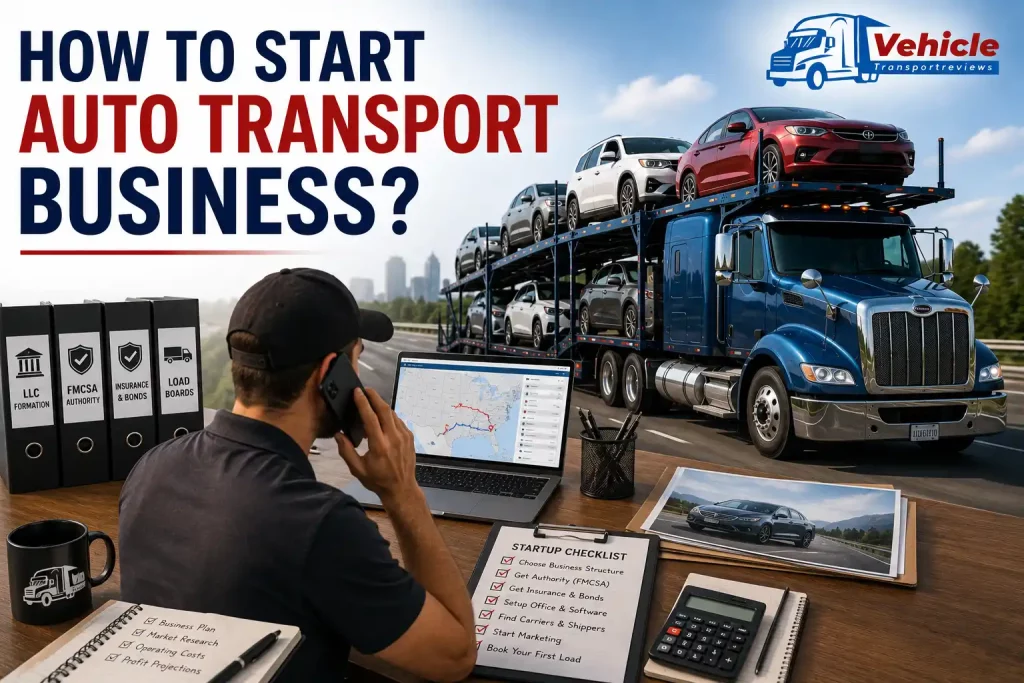
Starting your own auto transport business can give you real freedom and solid income potential. Many people dream of running their own operation, setting their schedule, and building something lasting. Yet the process feels confusing at first.
This guide walks you through every step in plain language. You will learn the two main paths you can take, the exact legal steps required, and how much money you need to get started. By the end you will have a clear plan you can actually follow.
Broker vs Carrier – Which Model Should You Choose?
The first big decision is whether you want to become a broker or a carrier. Each path has different costs, risks, and rewards.
Key Differences Between Broker and Carrier
A broker arranges shipments but does not own trucks. A carrier owns the equipment and physically moves the vehicles. Brokers focus on sales and coordination. Carriers handle the actual driving and maintenance.
Pros and Cons of Each Path
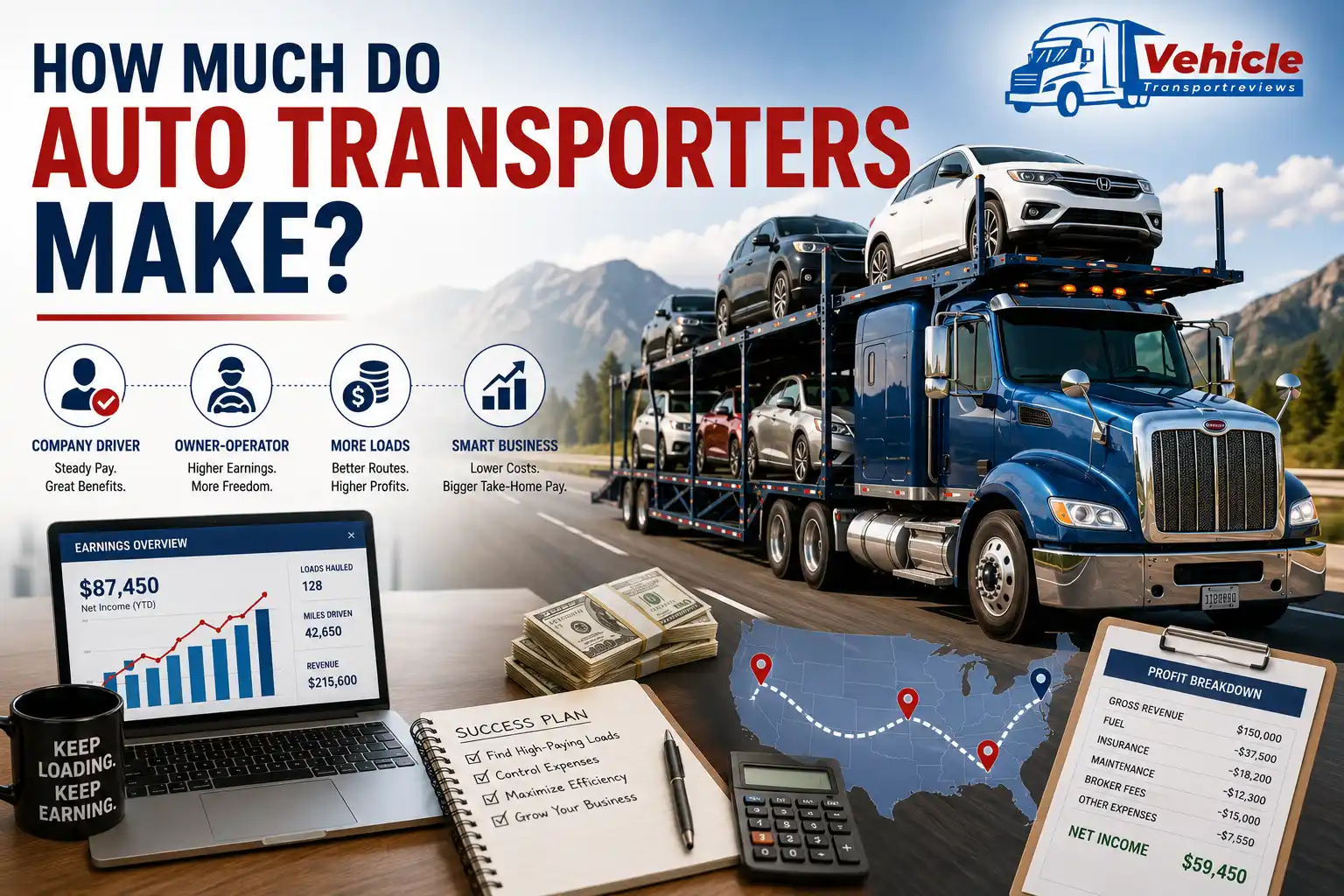
Brokers enjoy low startup costs and can work from home. They face less risk but earn through commissions. Carriers control the entire process and can earn higher gross revenue. However, they carry much higher expenses and operational headaches. To understand what drivers actually take home after expenses, see our breakdown of how much do auto transporters make.
Which Model Fits Your Goals and Budget?
If you want to start small and test the waters, choose the broker model. If you prefer hands-on work and long-term ownership of equipment, the carrier path makes more sense. Most beginners start as brokers and expand into carriers later. For a full step-by-step guide on this path, read our detailed article on how to become an auto transport broker.
Legal and Regulatory Requirements
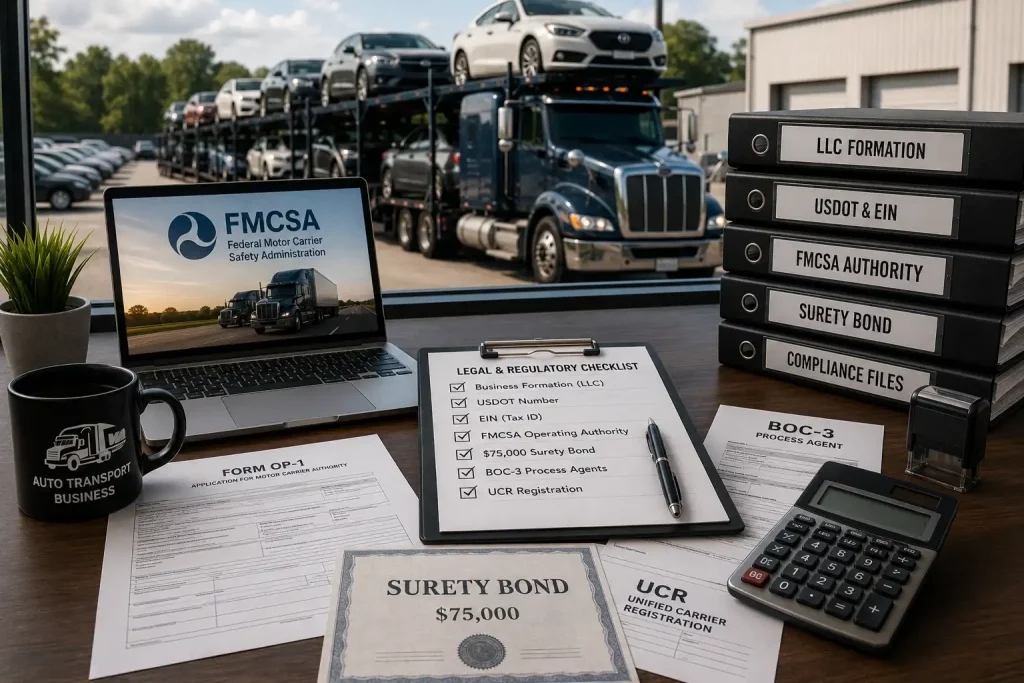
Before you can accept your first shipment, you must complete several federal requirements. Missing any step can lead to fines or suspension.
Form Your Business Entity
Register your business as an LLC. This structure gives you strong liability protection and is the most popular choice among new owners. The process is simple and affordable in most states.
Obtain Your USDOT Number and EIN
Apply for a free USDOT number through the FMCSA website. Then get your free EIN from the IRS. These two numbers form the foundation for everything else.
Apply for FMCSA Operating Authority
File Form OP-1 to receive your MC number. The application fee is $300. Approval usually takes four to six weeks. This authority allows you to operate legally across state lines.
Secure the $75,000 Surety Bond
You are required to have a $75,000 surety bond. This bond protects shippers and carriers if you fail to pay them. Most new owners buy this bond through an insurance company. The annual premium typically ranges from $900 to $3,000 depending on your credit. For a complete breakdown of requirements and options, read our guide on surety bonds for auto transport.
File BOC-3 Process Agents
You must designate process agents in every state where you plan to operate. These agents receive legal documents on your behalf. Many companies offer this service for a small annual fee.
Complete UCR Registration
Register with the Unified Carrier Registration system. This is an annual requirement and costs around $46 for most new businesses.
Realistic Startup Costs in 2026
One of the biggest advantages of this business is how affordable it can be to get started.
Here is a clear breakdown of what you can expect:
| Expense | Broker Path | Carrier Path |
|---|---|---|
| Business Formation | $100 – $500 | $100 – $500 |
| FMCSA Application Fee | $300 | $300 |
| Surety Bond Premium (Year 1) | $900 – $3,000 | $900 – $3,000 |
| BOC-3 and UCR | $50 – $150 | $50 – $150 |
| Insurance (initial) | $1,000 – $3,000 | $5,000 – $15,000+ |
| Truck and Trailer | Not required | $30,000 – $80,000+ |
| Software and Tools | $300 – $1,200 | $500 – $2,000 |
| Marketing and Website | $300 – $2,000 | $500 – $3,000 |
| Total Estimated Startup | $2,500 – $10,000 | $35,000 – $85,000+ |
Step-by-Step Guide to Launching Your Business
With the legal side handled, here is exactly how to set up your operation.
Choose Your Niche and Target Market
Decide what kind of customers you want to serve. Some focus on dealerships. Others serve individual consumers or auto auctions. Choosing a specific niche helps you market more effectively and build stronger relationships.
Set Up Operations
Open a dedicated business bank account to keep finances separate. Choose reliable merchant services so you can accept payments easily. Invest in basic software such as load boards and a simple CRM to help you manage leads and shipments.
Build Your Carrier Network
Start connecting with reliable carriers. Join load boards and attend industry events. Strong relationships with carriers are what allow you to deliver consistent service to your customers.
Secure Insurance and Compliance
Insurance protects both you and your customers. You need at least $1 million in liability coverage plus cargo insurance. Shop around and compare quotes from several providers. Good coverage usually costs between $1,000 and $3,000 for the first year as a broker.
Stay on top of compliance from day one. Keep your USDOT and MC numbers active. Review your bond status every month so it never drops below the required $75,000. Before you hit the road, make sure your truck is properly equipped with reliable safety gear such as one of the best dash cams under $100.
Create Your Pricing Strategy
Decide how you will charge customers. Most brokers add a 10% to 15% commission on top of the carrier rate. Some prefer flat fees or percentage-based pricing. Test a few different models with your first customers and adjust based on what feels fair and profitable.
Essential Tools and Software for Success
The right tools make your daily work much easier. Start with these basics:
- Load Boards – DAT, Truckstop, or Super Dispatch help you find shipments quickly.
- TMS Software – A simple Transportation Management System lets you track loads, carriers, and payments in one place.
- CRM System – Tools like HubSpot or a basic broker CRM help you manage leads and follow up with customers.
Many successful owners begin with free or low-cost versions and upgrade as the business grows.
Finding Customers and Generating Leads
Your business grows when you have steady customers. Start by reaching out to local car dealerships, auto auctions, and fleet managers. Join online load boards and post your services on industry forums.
Build relationships instead of chasing one-off jobs. Happy customers often send repeat business and referrals. Offer clear communication and on-time delivery to stand out from the competition.
Common Mistakes New Owners Make (And How to Avoid Them)
Many new owners lose money or get frustrated because they make the same avoidable errors.
Underestimating Compliance and Insurance
Some people try to cut corners on licensing or bonding. This can lead to fines or sudden suspension of your authority. Always stay fully compliant from day one and keep your insurance active.
Poor Cash Flow Management
Cash flow is tight in the beginning. Many owners spend too quickly on marketing or equipment before steady revenue arrives. Keep at least three months of expenses saved before going full-time.
Relying Only on One Lead Source
Depending on a single load board is risky. Build multiple ways to find customers, including your own website, local dealership relationships, and referrals.
Scaling Your Auto Transport Business
Once you have steady income, you can think about growth.
When and How to Add Trucks or Hire Drivers
Wait until you have consistent monthly revenue above $12,000 before adding your first truck or driver. Start small and test the waters with one additional vehicle.
Fleet Management and Operational Efficiency
Adding trucks means more expenses for maintenance, insurance, and payroll. Use good software to track loads and keep everything organized. Strong systems help you grow without losing control.
Expanding into New Markets or Services
Consider adding enclosed transport, motorcycle shipping, or serving new states. Focus on what your current customers need most before you spread yourself too thin.
Frequently Asked Questions
How much does it cost to start an auto transport business?
Most people can launch a brokerage for $2,500 to $10,000 in the first year. This covers the FMCSA application, surety bond, insurance, basic software, and marketing. If you choose the carrier path and buy or lease trucks, expect $35,000 to $85,000 or more because of equipment costs. Brokers have the lowest barrier to entry.
Do I need a CDL to start an auto transport business?
No. Brokers do not need a CDL because they do not drive trucks. Only carriers who own and operate their own vehicles need a commercial driver’s license. If you start as a broker, you can focus on sales and coordination without ever getting behind the wheel.
Should I start as a broker or a carrier?
Start as a broker if you want low risk and minimal upfront capital. You arrange shipments without owning trucks. Choose the carrier model only if you already have experience driving and want full control over the equipment. Most successful owners begin as brokers and later add trucks once they have steady cash flow.
How long does it take to get approved and start operating?
The full process usually takes four to eight weeks. You can complete the USDOT number and EIN in one day. The FMCSA authority application takes the longest — typically four to six weeks for approval. Once you have your MC number and bond in place, you can legally accept your first shipment.
How do I find my first customers?
Start with local car dealerships, auto auctions, and fleet managers. Join load boards like DAT or Truckstop to see available shipments. Build a simple website and reach out through social media or email. Many new owners get their first jobs through referrals and repeat clients once they deliver good service.
Is the auto transport business still profitable?
Yes. Demand stays strong because people buy and sell cars online and move frequently. Brokers can earn solid commissions with low overhead. Carriers who keep their trailers full and control expenses can clear six figures. Success depends on consistent effort, good relationships, and smart cost management.
What insurance do I need?
You need at least $1 million in liability coverage plus cargo insurance. Many owners add general liability and errors & omissions coverage. Shop around and compare quotes — good insurance usually costs $1,000 to $3,000 for the first year as a broker. Never operate without active coverage.
Can I run the entire business from home?
Yes. Most new brokers run everything from a home office with just a computer, phone, and reliable internet. You do not need a warehouse or yard unless you become a carrier and own trucks. This keeps your overhead very low in the beginning.
How do I scale the business once I am profitable?
Once you have steady revenue, you can add more carriers to your network or hire help for dispatch and customer service. Later you may buy trucks and transition into a carrier model. Focus on repeat customers and expand into niches like enclosed transport or motorcycle shipping when the time is right.
Final Takeaways
Starting an auto transport business is realistic and achievable when you follow the right steps. Choose the model that fits your budget and goals. Complete all legal requirements carefully. Keep your costs under control and focus on building strong relationships with customers and carriers.
Success comes from consistency, clear communication, and steady growth. Start small, learn as you go, and treat every shipment like it is your most important one. With patience and smart planning, you can build a profitable business that gives you freedom and financial reward.