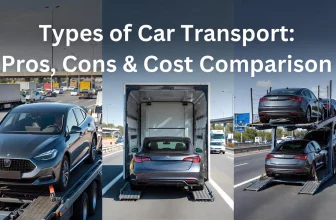


The best time of year to ship a car is fall (September–November) or early winter (January–February), when demand drops and rates can fall 15–25% below peak averages—think $800–1,200 for a cross-country haul versus $1,400+ in summer. These off-peak windows offer smoother logistics, fewer delays, and better availability, based on 2026 industry trends. In this guide, we’ll dive into seasonal breakdowns, cost factors, and pro tips to help you time your shipment perfectly, saving money without sacrificing reliability.
What Makes Fall the Best Time of Year to Ship a Car?
Fall emerges as the sweet spot for car shipping because post-summer demand plummets, creating a buyer’s market with carriers eager to fill loads. Mild weather across most routes minimizes delays, and prices stabilize after peak-season hikes. According to recent data, shipments in October average around 20% cheaper than July equivalents, with transit times shrinking by 1–2 days due to lighter traffic. If you’re flexible, this season beats others for value—pair it with open transport for even more savings, as explored in our open vs enclosed car shipping guide.
Why Do Rates Drop So Much in September and October?
Lower relocation volumes (fewer families moving kids to college) and pre-snowbird lulls mean excess carrier capacity, which encourages more competitive pricing. Fuel costs also tend to be more stable outside of summer road-trip season, and brokers may offer incentives or promos to keep trucks full. For example, a California-to-Florida route that might cost around $1,500 in August can drop closer to $1,100 in October on the same lane under off-peak conditions.
How Does Fall Compare to Other Seasons for Reliability?
Unlike winter’s snow risks or summer’s intense heat, fall’s moderate temperatures help reduce weather-related breakdowns and delays. Carrier reports suggest that fewer extreme-weather disruptions translate into more consistent pickup windows and smoother long-haul performance. This makes fall especially attractive if you want both lower prices and predictable timing.
When Is the Cheapest Time to Ship a Car in Winter?
Early winter—specifically January and February—often ranks as the cheapest time to ship a car, with typical rates 15–20% below summer peaks on many routes. After the holidays, overall demand softens and some snowbird traffic slows, freeing up capacity on north–south and cross-country lanes. Expect potential savings of roughly $200–300 on a 1,000-mile trip versus peak summer, but try to book mid-month to avoid early-January and late-February weather or schedule crunches. For cross-country specifics, check our guide to cross-country car shipping.
What About Snowbird Season and Holiday Spikes?
Snowbird patterns and major holidays create mini peak seasons that can push prices well above off-peak averages. December shipments may run up to a quarter higher in price due to holiday moves and seasonal travel, while late March often sees northbound rates rise as vehicles return from winter destinations. January tends to be a sweet spot for southbound routes, where roads are clearer and capacity opens up after the holiday rush.
Is Winter Shipping Riskier Than Fall?
Winter shipping can be riskier than fall on northern and Midwestern routes because ice and snow can introduce 2–5 extra days of transit time. However, many southern and western corridors remain efficient through winter with less severe weather and strong carrier coverage. If you are concerned about exposure, enclosed transport adds protection, although open carriers still offer the best value and can cost 30–40% less in many scenarios.
Why Is Summer the Worst Time of Year to Ship a Car?
Summer (June–August) is typically the most expensive and congested period for car shipping due to high demand from relocations, vacations, and student moves. Rates can rise 20–30% above off-peak levels, and pickup or delivery windows may stretch to 7–14 days because carriers are fully booked. Rural and less-trafficked routes also tend to see steeper price increases, as trucks prioritize busy, profitable lanes during these months.
How Do Holidays and Spring Factor Into Peak Pricing?
Spring (April–May) begins the upward swing in pricing as job transfers, military moves, and early relocations increase volume on major routes. This seasonal lift can add roughly 10–15% to baseline off-peak rates, especially near holiday weekends. Short, intense surges around holidays like Memorial Day or July 4th can cause brief price spikes, so flexible dates help keep costs in check.
What If You Must Ship in Peak Season?
If you must ship in peak season, the key is to control what you can: compare multiple quotes, be flexible on pickup windows, and choose cost-effective service types. Door-to-terminal or terminal-to-terminal shipping can reduce costs by up to about 20% versus full door-to-door in some markets, though it requires extra coordination. Our how much does it cost to ship a car breakdown helps you model how distance, timing, and service level affect your final price.
How Can You Maximize Off-Peak Savings on Car Shipping?
To maximize off-peak savings, focus on timing and flexibility: booking 2–3 weeks ahead in fall or early winter secures better rates and carrier availability. Aligning your shipment with common carrier flows (for example, west-to-east or north-to-south patterns in fall) can lower pricing because trucks are already running those lanes. Emptying your vehicle of personal belongings helps avoid extra fees, and monitoring diesel price trends can highlight periods when fuel-related surcharges are less intense. For prep details, see how to prepare your car for transport.
What’s the Impact of Route and Vehicle Type on Seasonal Rates?
Heavily traveled coastal routes, such as California to Florida, often show the biggest seasonal swings because demand shifts dramatically with relocations and snowbird traffic. Rural or less-populated regions in the Midwest and Mountain West tend to see steadier pricing but can be more expensive year-round due to limited carrier coverage. Smaller sedans almost always ship cheaper than large SUVs or trucks, and choosing enclosed transport may add a few hundred dollars during peak periods compared with open carriers on the same lane.
Should You Consider Last-Minute Booking in Off-Peak?
In off-peak seasons, last-minute booking can sometimes yield extra savings when carriers want to fill remaining spots on a route, occasionally shaving around 10% off standard prices. However, this strategy is risky or costly during peak seasons, where last-minute spaces can command premiums of 30% or more. Our last-minute car shipping guide explains when this tactic works and when to avoid it.
Which Companies Excel During Off-Peak Seasons?
Well-established brokers and carriers like Montway Auto Transport, Sherpa Auto Transport, and AmeriFreight often perform strongly during off-peak seasons because their larger networks can flex capacity as demand shifts. These brands frequently highlight seasonal incentives, transparent pricing tools, and service guarantees that help lock in off-peak savings. Their nationwide reach and strong 2025 discount programs tend to outperform smaller or less specialized rivals on reliability and value. [web:27][web:30]
| Company | Off-Peak Discount Potential | Avg. Winter Rate (1,000 miles) | Best For | Review Link |
|---|---|---|---|---|
| Montway Auto Transport | Up to 20% | $750 | Flexible dates | Montway Review |
| Sherpa Auto Transport | Price lock + 15% | $800 | Guarantee perks | Sherpa Review |
| AmeriFreight | Rebates in Jan/Oct | $700 | Broker deals | AmeriFreight Review |
Pros and Cons of Shipping in Off-Peak Seasons
Advantages
- Lower base rates. Fall and early winter often bring 15–25% lower prices than peak summer months on many routes.
- Better carrier availability. With fewer relocations, it is easier to secure preferred dates and service types without long waits.
- Smoother logistics. Less congestion and milder weather on many routes reduce delays and rescheduling.
- More room for negotiation. Extra capacity encourages brokers and carriers to offer discounts or match competing quotes.
- Stronger stacking potential. Off-peak pricing combines well with student, military, or multi-car discounts for maximum savings.
Disadvantages
- Weather risk on some lanes. Northern and high-altitude routes in winter can still face snow or ice-related delays.
- Less flexibility for fixed dates. If your schedule is tied to holidays or job start dates, off-peak windows might not align perfectly.
- Variable regional patterns. Snowbird routes and local events can still create mini peaks, even inside typical off-peak months.
Conclusion
Timing your car shipment right—targeting fall or early winter—can slash costs by 20% or more while avoiding many delays, making the best time of year to ship a car a critical lever for budget-conscious moves. Weigh seasonal trends against your route and flexibility, then compare trusted providers to lock in reliable, off-peak pricing. Got a shipment story or question? Drop it in the comments—we’re here to help refine your plan.
Frequently Asked Questions
What is the absolute cheapest month to ship a car in 2025?
January or February are often the absolute cheapest months to ship a car in 2025, with typical savings of around 15–25% versus peak summer pricing on many popular routes.
Does weather really affect the best time to ship a car?
Weather has a major impact on timing, because snow and ice in northern regions can add days to winter transit times, while milder off-peak conditions in southern or coastal areas keep schedules smooth.
How far in advance should I book off-peak car shipping?
Booking 2–4 weeks in advance during off-peak seasons usually balances good pricing with plenty of carrier options; our how long does it take to deliver a car guide outlines typical timelines.
Are there student or military discounts during seasonal lows?
Yes, many providers keep student, military, and other discounts active during seasonal lows, and stacking them with off-peak pricing can sometimes push total savings above 30%.
Why do car shipping rates spike in summer?
Summer rates spike because relocation demand, vacations, and student moves all hit at once, filling carrier schedules and driving up prices by roughly 20–30% compared with calmer periods.
Is door-to-door worth it in off-peak vs. terminal-to-terminal?
Terminal-to-terminal service can still save around 20% compared with door-to-door, but in off-peak seasons many shippers choose door-to-door because the convenience comes without extreme peak surcharges; you can compare both in our door-to-door vs terminal-to-terminal guide.