
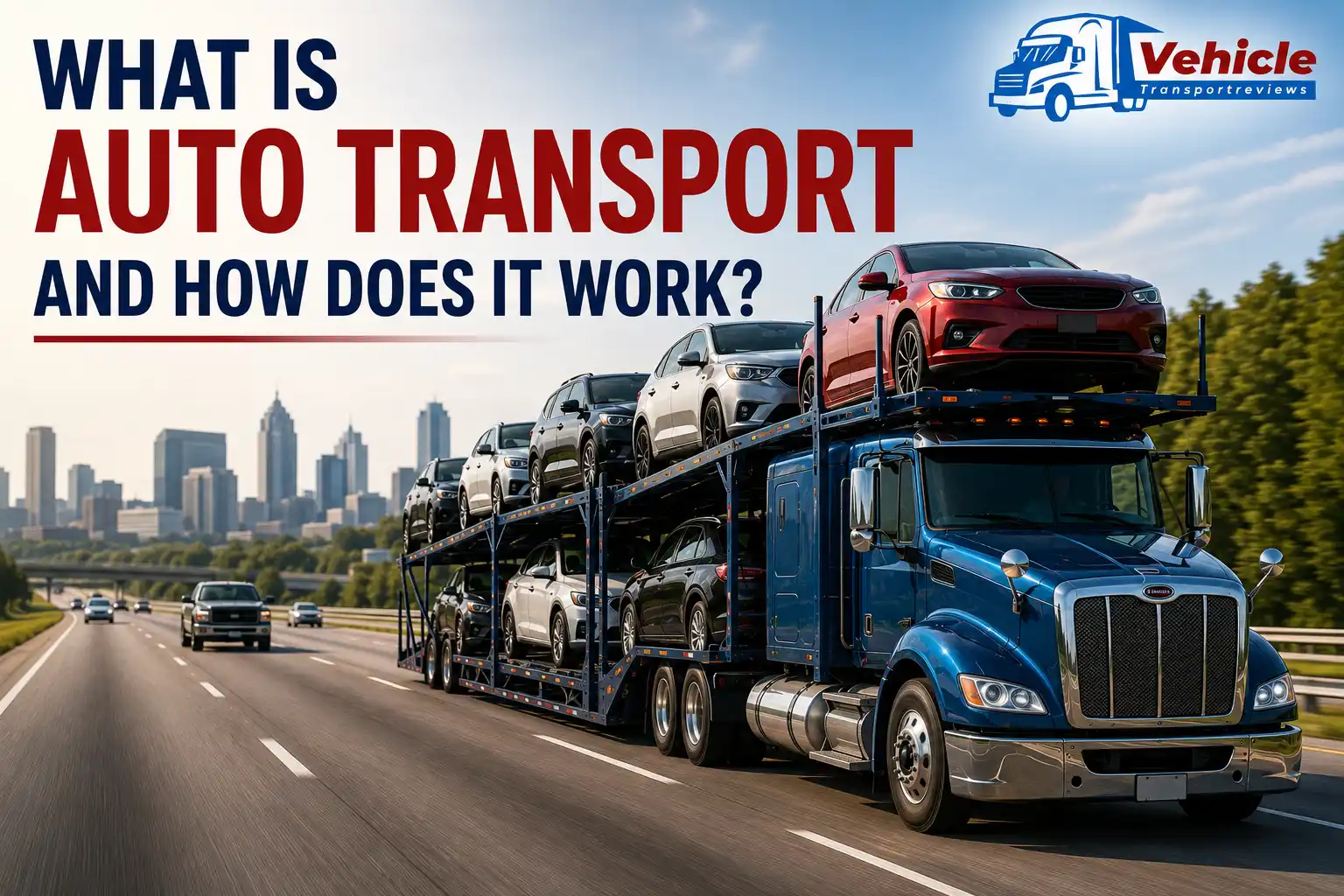
Buying a car online or moving to a new city often means one thing. You need someone else to move the vehicle for you. That service is called auto transport. It saves you time, reduces wear on your car, and removes the stress of a long drive.
This guide explains exactly what auto transport is and how the entire process works. You will see the different options available and what happens from the moment you book until your car arrives. The information is based on current 2026 industry practices and real data from carriers and brokers.
What is Auto Transport?
Auto transport is the professional service of moving a vehicle from one location to another using specialized trucks and trailers. Instead of driving the car yourself, a licensed carrier hauls it safely over long distances. The industry handles millions of vehicles every year across the United States.
People use auto transport for many reasons. Some are relocating for work or family. Others buy a car online from a different state. Dealerships, auto auctions, and military families also rely on it regularly. In simple terms, auto transport turns a stressful long drive into a simple, hands-off experience.
The Two Main Types of Auto Transport
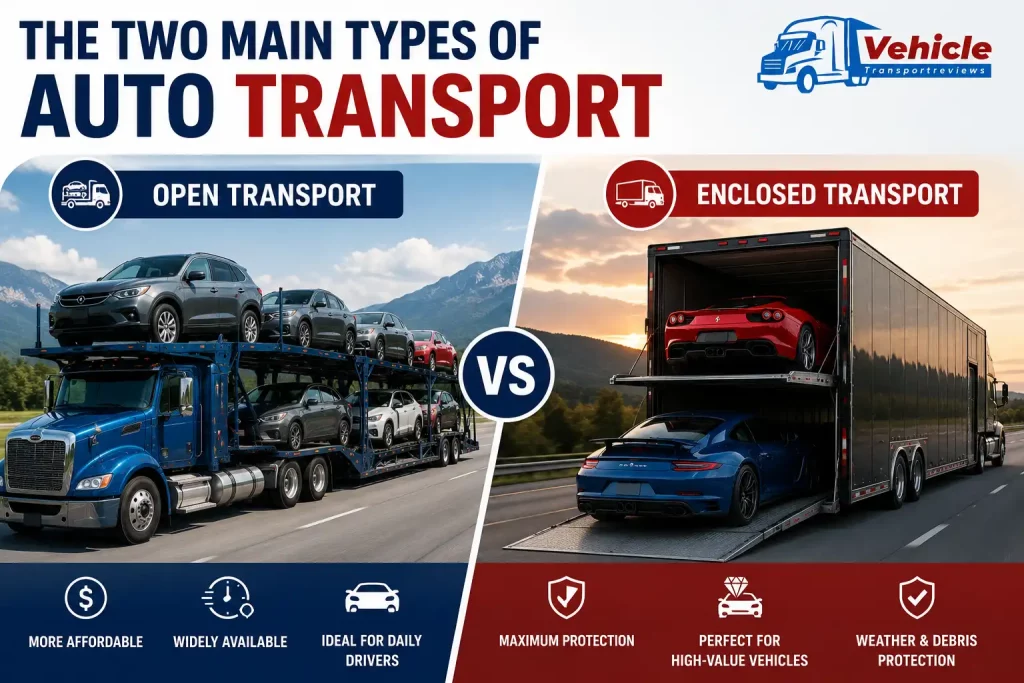
Carriers offer two primary methods. Each has clear advantages depending on your vehicle and budget.
Open Transport
Open transport is the most common choice. Your car rides on an open multi-level trailer exposed to the weather. It accounts for roughly 90% of all shipments because it is faster and more affordable. Most standard sedans, SUVs, and daily drivers travel this way.
Enclosed Transport
Enclosed transport places your car inside a fully covered trailer. This method offers complete protection from road debris, weather, and dust. It costs 30% to 60% more than open transport and is typically used for luxury cars, classics, or exotic vehicles.
Here is a quick comparison:
| Feature | Open Transport | Enclosed Transport |
|---|---|---|
| Protection Level | Basic (exposed) | Full (weatherproof) |
| Typical Cost | Lower | 30–60% higher |
| Capacity per Trailer | 7–10 vehicles | 2–6 vehicles |
| Best For | Standard cars and SUVs | Luxury, classic, or high-value cars |
How Does Auto Transport Work?
The process follows clear steps from booking to delivery. Understanding each stage helps you know what to expect.
Step 1: Getting a Quote and Booking
You provide the pickup and delivery addresses, vehicle details, and preferred dates. Reputable companies give you a quote within minutes. Many now offer instant online calculators. Once you accept the quote, the company begins searching for an available carrier.
Step 2: Carrier Assignment
A licensed carrier is matched to your shipment based on route, equipment, and schedule. This step usually happens within one to three days. You receive confirmation with the driver’s details and expected pickup window.
Step 3: Vehicle Pickup and Inspection
The driver arrives at your pickup location. They perform a thorough inspection and document every scratch, dent, and existing condition on the Bill of Lading. You both sign this form before loading begins. This document protects you if any new damage occurs during transit.
Step 4: The Transport Journey
Your vehicle travels securely on the trailer. Most carriers cover about 500 miles per day. Many companies now provide real-time tracking updates so you can follow the progress. Weather, traffic, and load scheduling can slightly affect exact arrival times.
Step 5: Delivery and Final Inspection
At delivery, the driver unloads your car. You inspect it together and note any changes on the Bill of Lading. Once you sign, the shipment is officially complete. This final check ensures everything matches the condition noted at pickup.
Door-to-Door vs Terminal-to-Terminal Delivery
You have two main delivery options. Each has clear trade-offs in convenience and price.
Door-to-Door Service
The driver picks up your car from your home or specified address and delivers it directly to the destination. This is the most convenient choice for most people. It costs a bit more but saves you time and effort.
Terminal-to-Terminal Service
You drop the car off at a carrier terminal near the pickup city and pick it up at a terminal near the destination. This option is usually cheaper but requires extra planning on your part.
| Delivery Method | Convenience Level | Cost | Best For |
|---|---|---|---|
| Door-to-Door | Highest | Higher | Most residential moves |
| Terminal-to-Terminal | Lower | Lower | Budget-conscious customers |
Key Players in the Auto Transport Process
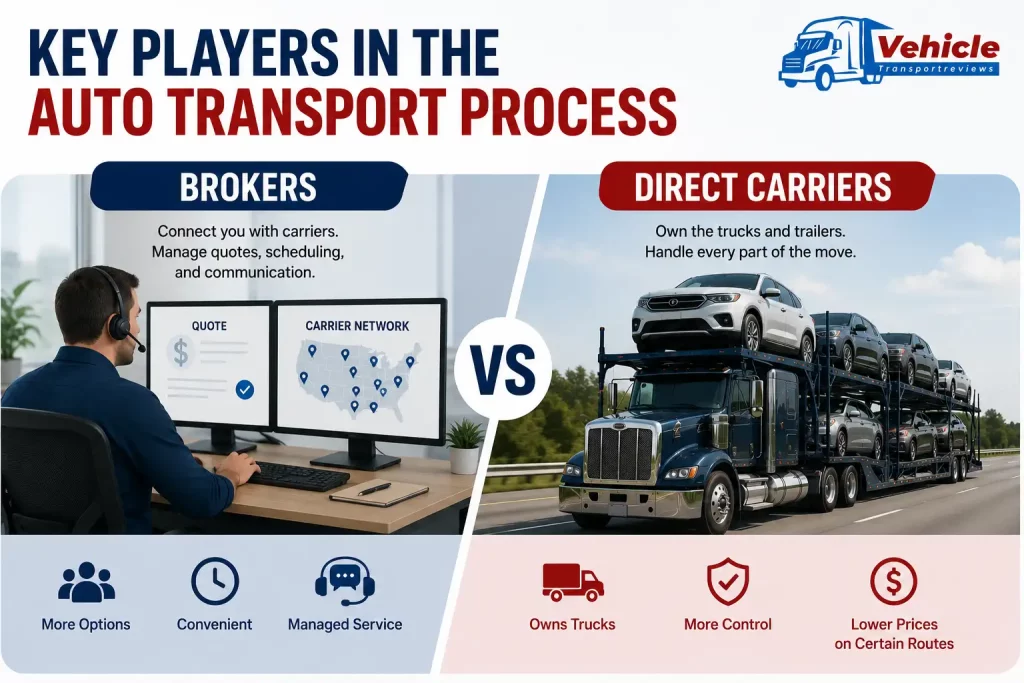
Two main types of companies handle most shipments. Knowing the difference helps you choose the right partner.
Brokers
Brokers act as middlemen. They connect you with carriers but do not own trucks. They manage quotes, scheduling, and communication. Most consumers work with brokers because they offer more options and convenience. Learn how to become an auto transport broker!
Direct Carriers
Direct carriers own the trucks and trailers. They handle every part of the move themselves. This often means more control and sometimes lower prices on certain routes. However, they may have fewer available trucks at any given time. For a closer look at one popular carrier, see our review of Roadrunner Auto Transport.
What Affects the Cost of Auto Transport?
Several factors determine your final price. Understanding them helps you plan and save money.
Distance remains the biggest factor. Longer trips usually cost more in total but often have a lower rate per mile. Vehicle size and weight also matter. Larger SUVs and trucks take up more space and burn more fuel.
The type of transport you choose makes a big difference. Open transport is the most affordable choice for most people. Enclosed transport costs 30% to 60% more because it provides full protection.
Current diesel prices also play a major role. With national averages around $5.60 per gallon in 2026, carriers add fuel surcharges to cover rising costs. Booking during off-peak seasons and staying flexible with dates can help reduce these extra charges.
To understand what drivers actually earn on these shipments, read our detailed guide on how much do auto transporters make.
Benefits of Using Professional Auto Transport
Professional auto transport offers clear advantages over driving the car yourself.
You save significant time and avoid the fatigue of long drives. Your vehicle experiences less wear and tear, which helps maintain its value. Professional carriers also provide insurance coverage during transit, giving you peace of mind.For families relocating or people buying cars online, the service removes stress and logistical headaches. Many customers say the convenience alone makes the cost worthwhile. If you plan to drive long distances yourself, consider installing one of the best dash cams for added safety and peace of mind.
Frequently Asked Questions
What is the difference between open and enclosed transport?
Open transport carries your car on an exposed multi-level trailer. It is the most common and affordable option for standard vehicles because carriers can move more cars at once. Enclosed transport keeps your car inside a fully covered trailer, protecting it from weather, road debris, and dust. This method costs 30% to 60% more and is recommended for luxury, classic, or high-value cars that need extra care.
How long does auto transport usually take?
Most shipments take between 3 and 10 days, depending on the distance and route. Carriers typically drive about 500 miles per day under normal conditions. Factors like weather, traffic, and how busy the lane is can add or subtract a day or two. Door-to-door service usually takes slightly longer than terminal-to-terminal because the driver must navigate local streets.
Is door-to-door service always available?
Yes, door-to-door is the most popular and widely available option. The driver picks up your car from your home or specified address and delivers it directly to the destination. Terminal-to-terminal service is cheaper but requires you to drop off and pick up the car at carrier terminals. Most people prefer door-to-door for the convenience, especially with family vehicles or when time is limited.
Do I need to prepare my car before pickup?
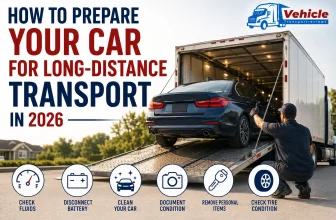
Yes. Wash the car thoroughly so any existing damage is clearly visible. Remove all personal items from inside and the trunk. Take clear, timestamped photos of every angle, including the roof and undercarriage. Leave about a quarter tank of gas. These simple steps make the inspection process smooth and protect you if any new damage occurs during transit.
Is auto transport safe for my vehicle?
Yes. Licensed carriers follow strict loading and securing procedures. They carry cargo insurance to cover damage that happens while the car is on the trailer. Documenting the vehicle’s condition at pickup and delivery gives you strong protection if any issues arise. The vast majority of shipments arrive without problems when you work with reputable companies.
What is the difference between a broker and a direct carrier?
A broker arranges the shipment and connects you with carriers but does not own trucks. They focus on finding the best available carrier for your route and schedule. A direct carrier owns the equipment and physically moves the car themselves. Brokers often have more options and flexibility, while direct carriers may offer more control and sometimes lower prices on specific routes.
How much does auto transport typically cost?
Costs vary widely based on distance, vehicle type, and transport method. A standard cross-country move usually ranges from $900 to $2,200 for open transport. Enclosed transport costs significantly more. Fuel prices, season, and route popularity also affect the final price. Getting quotes from multiple companies helps you find a fair rate for your specific move.
Can I track my shipment?
Yes. Most reputable companies provide real-time tracking updates. You can usually follow the progress through a website, app, or regular text messages from the carrier or broker. Many also send photos of the vehicle at pickup and delivery so you can see its condition along the way.
Final Takeaways
Auto transport is a simple, professional way to move your vehicle without driving it yourself. Open transport works well for most standard cars while enclosed offers extra protection for high-value vehicles.
The process is straightforward: you book, the carrier picks up and inspects your car, transports it safely, and delivers it for final inspection. Understanding the steps, costs, and options helps you make confident decisions and avoid surprises.
When you need to ship a car, professional auto transport saves time, reduces stress, and protects your vehicle. Choose the right type of service for your needs, prepare your car properly, and work with reputable companies. Your car will arrive safely, and you will avoid the hassle of a long drive.