
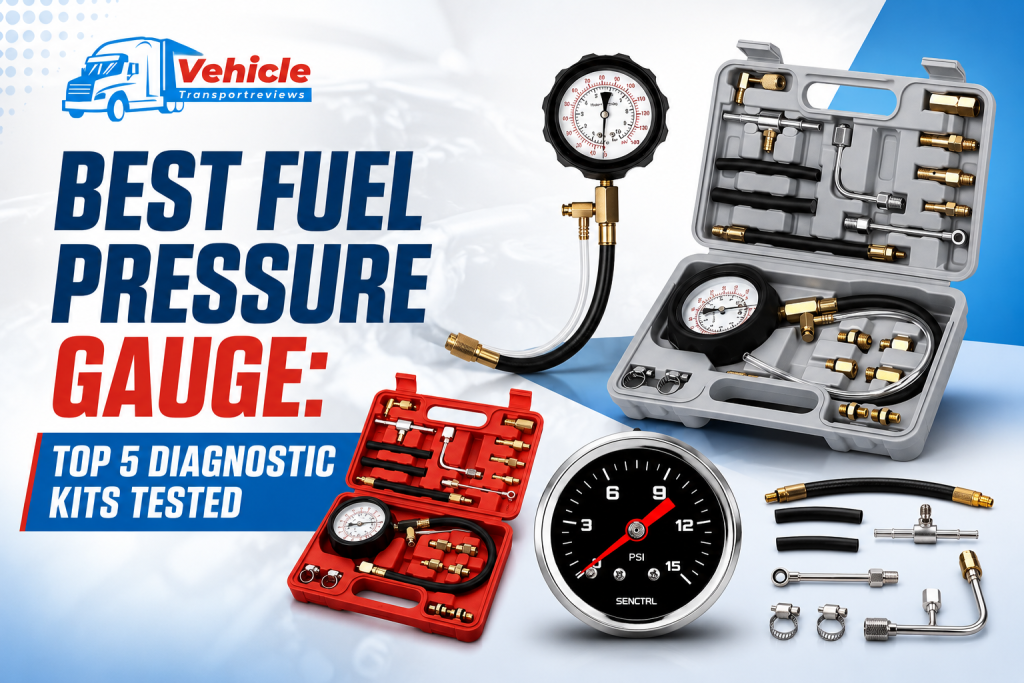
Nothing is worse than an engine that cranks but refuses to start. You might feel tempted to guess the problem and buy random replacement parts. However, a proper diagnostic fuel pressure test saves you time and money. It tells you exactly what is happening inside your fuel delivery system. Therefore, a high-quality fuel pressure gauge is a mandatory diagnostic tool. Every home mechanic needs one in their garage.
Quick Win: What is the Best Fuel Pressure Gauge Overall?
If you want the best fuel pressure gauge right now, get the BETOOLL 0-140PSI Master Kit.
This complete package offers massive vehicle compatibility for most cars and trucks. Furthermore, it features a large, easy-to-read dial for an accurate pressure reading. It delivers excellent build quality and a safe pressure release valve for a very fair price.
Top 5 Best Fuel Pressure Gauges Compared
| Product Name | Design Style | Check Latest Price |
|---|---|---|
| jiouxip 0-140PSI Kit | Diagnostic Test Kit | Check Latest Price |
| AUTOWN Tester Kit | Diagnostic Test Kit | Check Latest Price |
| SENCTRL 0-15 Psi Gauge | Inline Pressure Gauge | Check Latest Price |
| BETOOLL Pro Tester | Diagnostic Test Kit | Check Latest Price |
| BETOOLL Master Kit | Diagnostic Test Kit | Check Latest Price |
1. jiouxip 0-140PSI Fuel Pressure Tester Kit (Best Budget Kit)
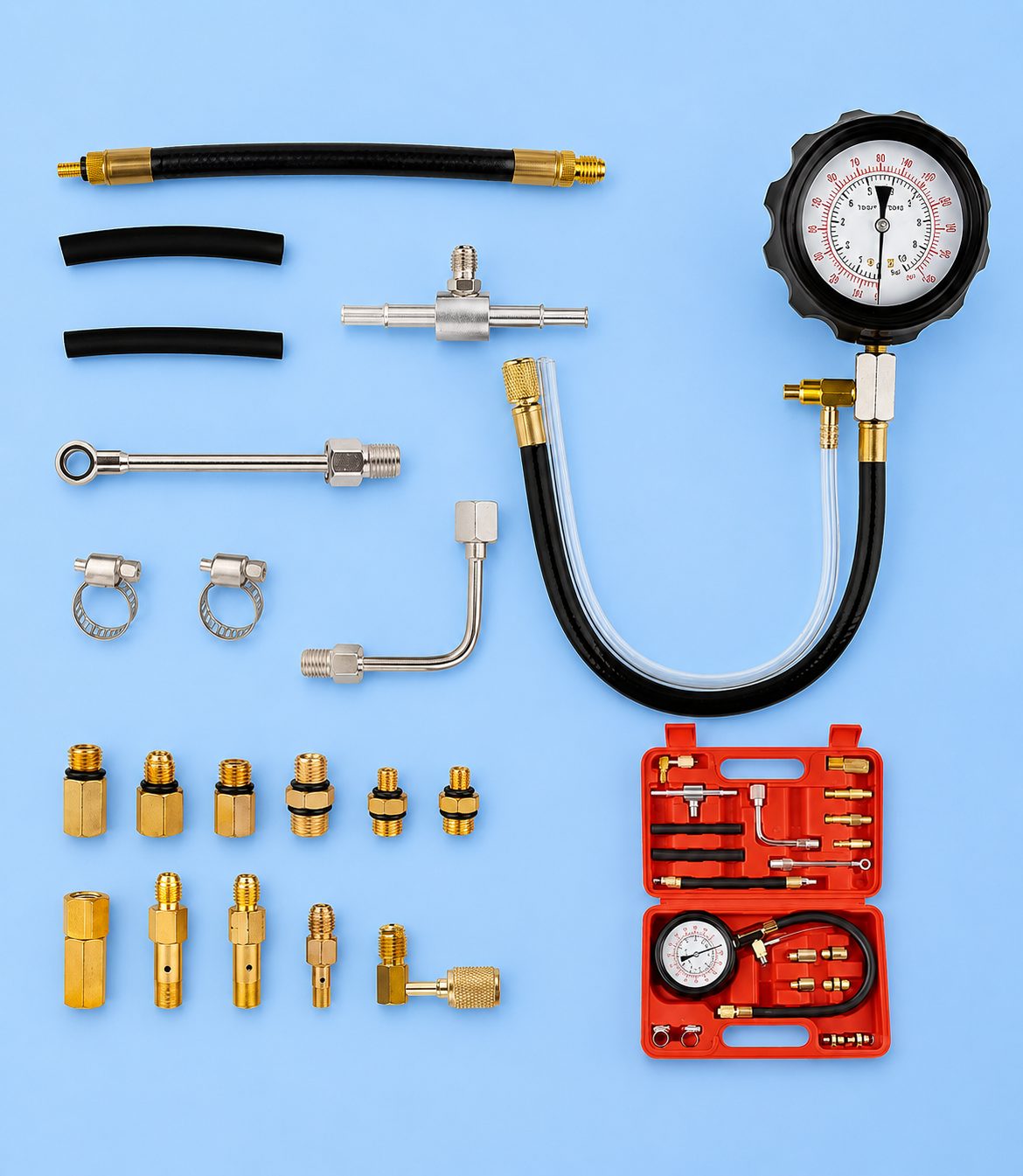
The jiouxip 0-140PSI Fuel Pressure Tester Kit is a highly affordable diagnostic tool for vehicle fuel systems. It measures fuel injector injection pump pressure with a clear dual-color coded analog scale. The display reads from zero to 140 PSI and zero to ten BAR. This wide range helps you diagnose common fuel supply problems easily. The mechanical pressure gauge includes high-precision sensors to capture small fuel system changes accurately. This allows you to spot a failing fuel pump or clogged fuel filter quickly. It offers great value for money for DIY mechanics. You can connect it in seconds to check system health. This reduces engine repair guessing games significantly.
The kit contains multiple brass and aluminum fittings for wide vehicle compatibility. It features an eight-inch hose designed specifically for M6 test ports. Additionally, a fifteen-inch hose connects securely to standard one-quarter-inch Schrader valves. The package also includes specialized M8, M10, M12, and M14 thread adapters. However, you must check your vehicle specifications carefully before buying. This tool does not support high-pressure direct injection engines or diesel systems. It also excludes certain older vehicle fuel systems like GM throttle body units.
Safety is enhanced with a smart quick-release valve button. This feature allows for easy, single-handed inflation and deflation. It lets you bleed off pressurized fuel safely into a container before disconnecting lines. The components use high-strength materials that offer great corrosion and impact resistance. This ensures reliable fuel pressure verification even in messy garage settings. It comes packed in a molded storage case to keep your adapters organized between jobs. This is an excellent introductory kit for casual troubleshooting.
Pros
- Highly affordable budget tool option.
- Easy single-handed pressure release button.
Cons
- Cheap adapters might leak easily.
- Fails to fit certain brands.
| Feature | Specification |
|---|---|
| Gauge Type | Diagnostic Test Kit |
| Material | Aluminum, Copper, Plastic |
| Pressure Range | 0-140 PSI / 0-10 BAR |
| Thread Style | M6, M8, M10, M12, M14 |
Who is this Best For
This package is ideal for budget-conscious garage hobbyists. It works well for basic fuel supply testing on standard gasoline cars and motorcycles.
Check Latest Price2. AUTOWN Fuel Pressure Tester Kit (Best Basic Diagnostics)
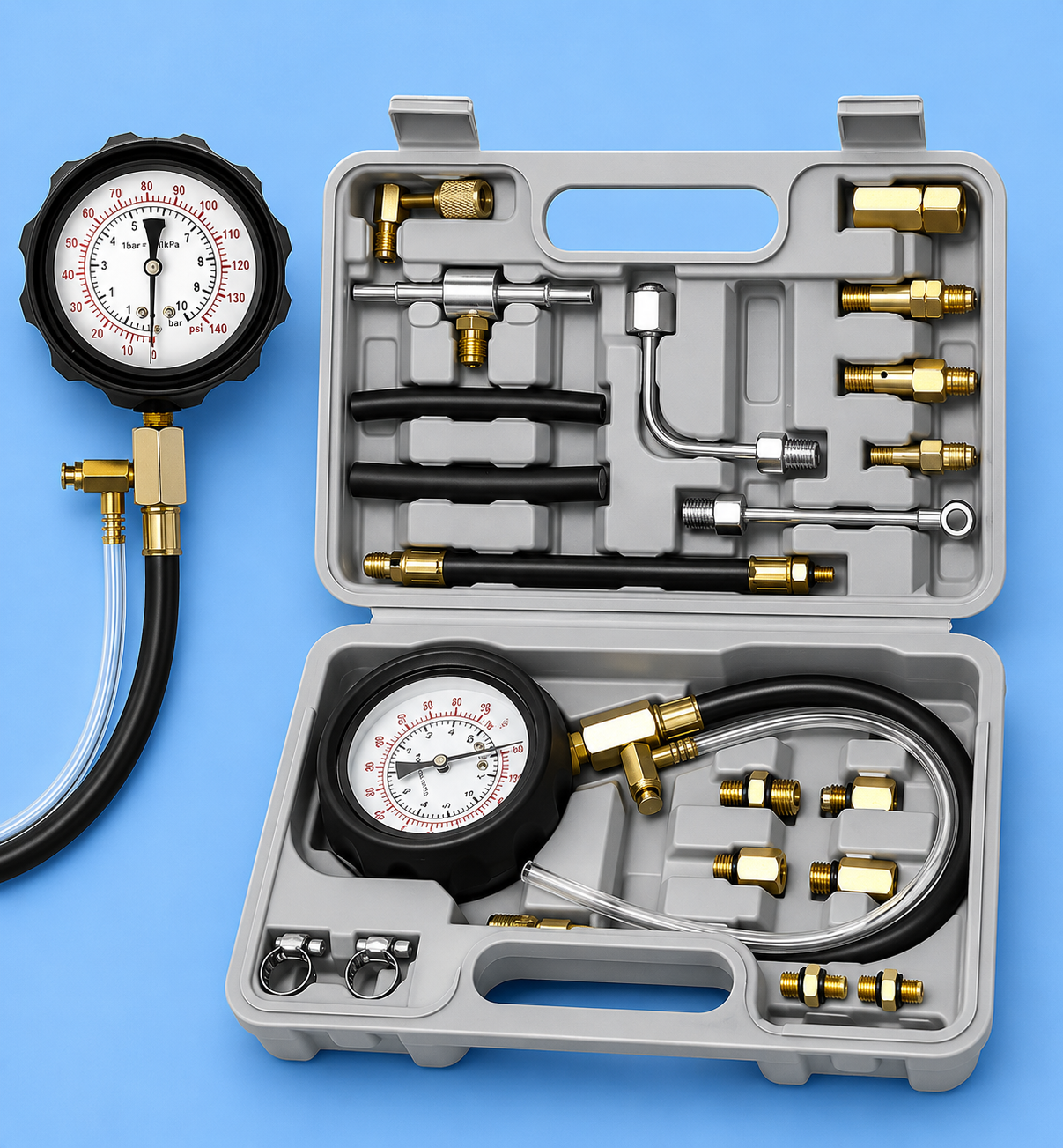
The AUTOWN Fuel Pressure Tester Kit is a highly dependable tool for tracking engine fuel management. This diagnostic setup features a premium liquid-filled fuel pressure gauge. The interior liquid stabilizes the gauge needle by dampening harsh engine vibrations and pressure pulsations. This vibration resistance allows you to read the analog pressure gauge accurately while the engine is running. The dial displays dual scales from zero to 140 PSI and zero to ten BAR clearly. This solid design offers great peace of mind for under-hood troubleshooting. It serves as a reliable tool for tracking fuel system health perfectly.
The kit is built from high-quality OEM-grade brass, aluminum, and steel components. These durable materials provide excellent resistance to impact and wear over long-term shop use. It includes eight distinct thread adapters ranging from M6 to M14 sizes. Two heavy-duty hoses are also included for easy integration with various fuel ports. The quick-release mechanism ensures a speedy connection to standard service ports on fuel filters or rails. This saves you significant time when diagnosing fuel system tuning issues on cars or trucks.
A built-in pressure relief valve and a dedicated drain hose protect you from dangerous fuel sprays. You can safely channel excess gasoline into a container before removing the test fittings completely. Please note the specific compatibility warnings before purchasing this hardware. It will not fit high-pressure direct injection systems or older specialized setups like Bosch CIS Jetronic. Many users report it works perfectly for identifying fuel flow restrictions in a hurry. The kit includes a hard case with fitted slots for clean storage and fast tool identification.
Pros
- Liquid-filled gauge reduces needle shake.
- Built with heavy-duty brass fittings.
Cons
- Missing small Ford quick couplers.
- Plastic storage case feels cheap.
| Feature | Specification |
|---|---|
| Gauge Type | Diagnostic Test Kit |
| Material | Brass, Aluminum, Steel |
| Pressure Range | 0-140 PSI / 0-10 BAR |
| Special Feature | Liquid-Filled Scale |
Who is this Best For
This kit is best for DIY mechanics who need a steady, shock-resistant gauge face. It is ideal for testing multiple gasoline vehicles safely.
Check Latest Price3. SENCTRL 0-15 Psi Fuel Pressure Gauge (Best Inline Carb Gauge)
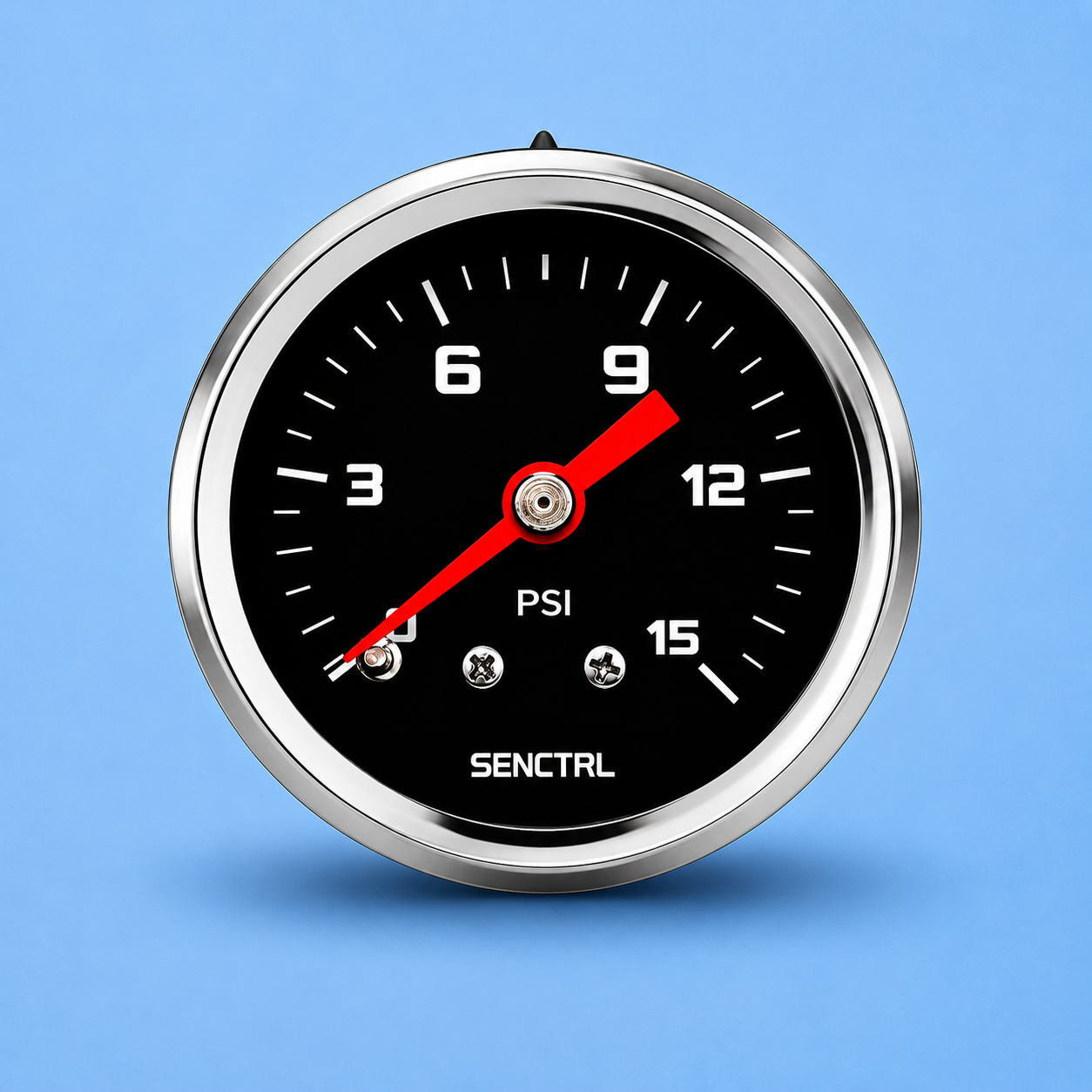
The SENCTRL 0-15 Psi Fuel Pressure Gauge is a specialized inline low-pressure tool. Unlike temporary diagnostic test kits, this mechanical pressure gauge is designed for permanent under-hood installation. It is an ideal option for monitoring fuel rail gauge settings on older carbureted engines. The scale reads strictly from zero to 15 PSI with high accuracy. This precise range helps you adjust your fuel pressure regulator with absolute confidence. It ensures your classic engine receives stable fuel delivery continuously. This analog gauge is highly repeatable and stable under load. It represents a premium solution for low-pressure tracking.
The gauge features a rugged 304 stainless steel case for exceptional corrosion resistance. The interior is filled with high-grade silicone oil to protect the internal mechanics. This liquid filling actively inhibits pointer flutter caused by heavy engine vibration. It also lubricates the moving components to extend the product life significantly. The silicone oil is highly freeze-resistant. It operates flawlessly in extreme outdoor conditions from minus forty to 140 degrees Fahrenheit. This makes it perfect for all-season use.
The dial face is sealed to achieve an IP67 waterproof rating. This completely prevents internal moisture penetration and window fogging for a clean reading always. It uses a one-eighth-inch NPT male back mount connection for simple installation. The wetted parts utilize brass and stainless steel to resist fuel degradation over time. It looks incredibly solid when mounted directly onto an aftermarket performance fuel setup or fuel filter rail. It provides continuous data to help you diagnose fuel delivery issues before they cause engine damage.
Pros
- Permanent under-hood mounting design.
- Silicone oil handles freezing temperatures.
Cons
- Limited to low pressure applications.
- Installation hardware is sold separately.
| Feature | Specification |
|---|---|
| Gauge Type | Inline Permanent Mount |
| Material | 304 Stainless Steel, Brass |
| Pressure Range | 0-15 PSI |
| Connection | 1/8″ NPT Male Back Mount |
Who is this Best For
This inline gauge is perfect for classic car owners running low-pressure carburetors. It is excellent for marine or outdoor fuel systems exposed to extreme cold.
Check Latest Price4. BETOOLL Pro Fuel Injection Pressure Tester (Best Deluxe Case)
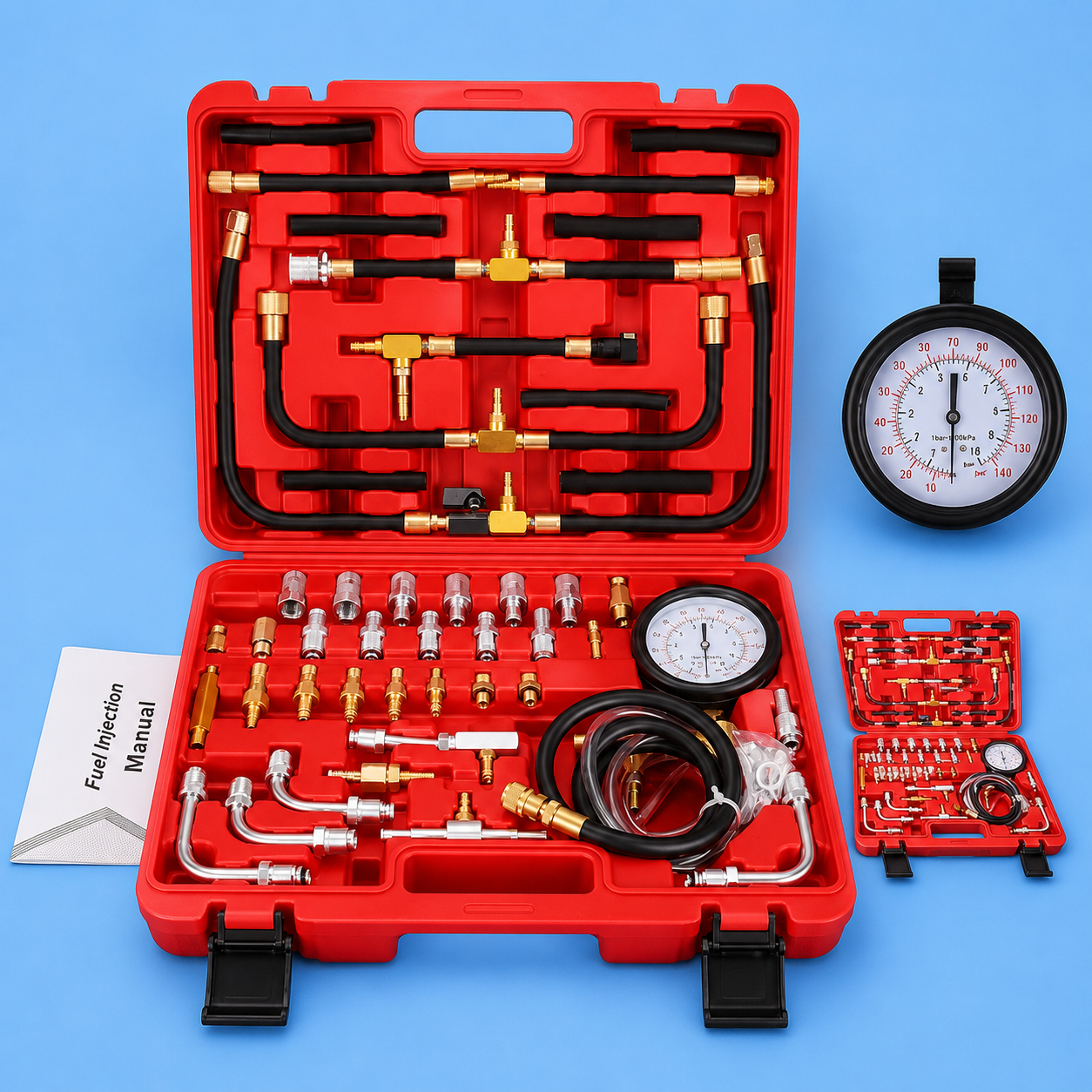
The BETOOLL Pro Fuel Injection Pressure Tester is a deluxe diagnostic kit for serious mechanics. This complete set comes with a high-accuracy dial that reads up to 140 PSI and ten BAR. The large face diameter ensures you can see pressure changes clearly from a distance. It functions as a deluxe manometer to verify fuel system pressure stability across various engine cycles. This allows you to troubleshoot weak fuel pumps and faulty pressure regulators efficiently. It helps you save money by avoiding expensive shop fees. The instruction book provides useful reference data.
The kit stands out because it includes thirty distinct fitting adapters, hoses, and connectors. These components are designed to cover almost all fuel injection systems globally. A forty-four-inch long gauge hose provides ample reach inside crowded engine bays. The end of the hose features a time-saving quick coupler connection. This allows for a speedy and efficient couple with most adapters. You can snap pieces together quickly without struggling in tight engine spaces.
The entire set arrives inside a specially designed molded plastic case. This keeps all thirty accessories organized and prevents loose parts from getting lost in your workshop. The quick-release pressure valve requires good finger strength but works reliably to vent fuel lines safely. It helps you inspect fuel line pressure without creating messy or dangerous gasoline spills. The durable materials are engineered for repeated use during heavy shop operations. It serves as a highly useful tool for diagnosing engine fuel management problems on standard cars and commercial trucks.
Pros
- Includes thirty distinct adapter pieces.
- Extra-long hose provides great reach.
Cons
- Release button requires heavy pressure.
- Plastic case latches are loose.
| Feature | Specification |
|---|---|
| Gauge Type | Deluxe Diagnostic Manometer |
| Material | High-Grade Metal, Heavy Plastic |
| Pressure Range | 0-140 PSI / 0-10 BAR |
| Components | 30-Piece Adapter System |
Who is this Best For
This deluxe set is built for professional technicians and serious garage mechanics. It works perfectly for workshops that service a vast variety of domestic and imported vehicle brands.
Check Latest Price5. BETOOLL 0-140PSI Fuel Injector Master Kit (Best Overall Value)
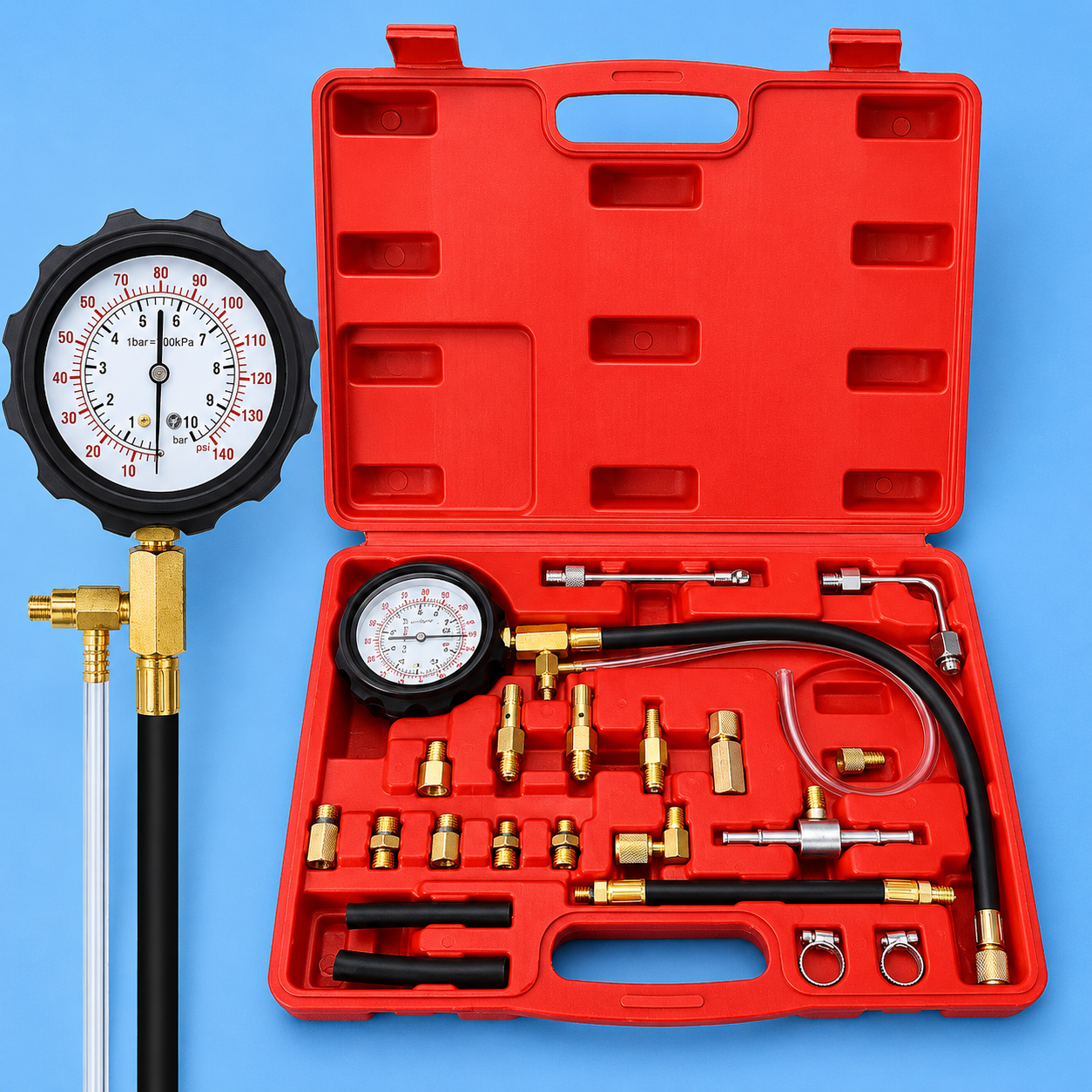
The BETOOLL 0-140PSI Fuel Injector Master Kit is a highly popular option for automotive fuel systems. This universal tool is designed for repeated use by both DIY enthusiasts and professional mechanics. The analog pressure gauge covers a full range from zero to 140 PSI and zero to ten BAR. It delivers accurate and highly repeatable fuel pressure readings to help you solve engine misfires. It allows you to check fuel pump pressure and regulator settings within fifteen minutes. This tool box addition pays for itself after a single use. It provides great clarity for complex diagnostics.
The kit includes eighteen high-quality connection adapters and a sixteen-inch hose. These fittings fit a wide variety of gas engine cars, trucks, motorcycles, and ATVs. It connects seamlessly to standard fuel rail service ports on popular Ford and Jeep models. The quick-release valve button allows for safe single-handed operation during inflation and deflation. This helpful feature lets you relieve fuel line pressure instantly before disconnecting any hardware. It ensures a completely clean and hazard-free testing environment in your garage.
All components are built from high-quality metals and heavy-duty plastics for long-term durability. The tools come packed in a rugged red storage case with fitted slots. This case holds every adapter securely to prevent damage and maintain shop organization. While it offers massive vehicle compatibility, it does exclude specialized direct injection or older GM throttle body systems. It remains a top choice for troubleshooting fuel delivery uncertainty at an affordable price point. It helps you confirm your fuel delivery pressure matches factory specifications perfectly.
Pros
- Fits Ford and Jeep models perfectly.
- Large dial face offers easy reading.
Cons
- Missing high-pressure direct injection support.
- Included instruction sheet is very basic.
| Feature | Specification |
|---|---|
| Gauge Type | Diagnostic Master Kit |
| Material | Premium Metal, Toughened Plastic |
| Pressure Range | 0-140 PSI / 0-10 BAR |
| Components | 18-Piece Adapter System |
Who is this Best For
This master kit represents the ultimate starting point for any home mechanic. It is highly recommended for servicing standard American trucks and everyday passenger vehicles easily.
Check Latest PriceThe Mechanic’s Guide: Choosing Your Fuel Pressure Tool
Diagnosing engine performance issues requires the right equipment. You cannot accurately guess fuel delivery problems by simply looking at your fuel lines. Fuel pumps can fail slowly over time. They might supply enough fuel for your engine to idle smoothly. However, they can fail completely when you press the accelerator pedal hard.
A reliable pressure tester shows you exact data instantly. This information prevents you from replacing perfectly good parts needlessly. It helps you find the true root cause of your engine struggles. Let us look into the key technical details you must know before selecting a gauge for your garage tool box.
Diagnostic Test Kits vs. Inline Gauges
You must first decide how you plan to use this tool. Diagnostic test kits are designed for temporary troubleshooting. They arrive in a heavy plastic case filled with various hoses and fittings. You connect the tool to find a specific problem. Once your test finishes, you remove the hardware and pack it away cleanly.
These kits are highly versatile because they feature numerous thread adapters. They can service multiple different vehicles in your driveway. If you manage small garage equipment, you might already use a best handheld bike pump for quick weekly tire maintenance. Similarly, a portable diagnostic kit is something you pull out only when a specific vehicle acts up.
Inline gauges serve a completely different purpose. These small analog dials are mounted permanently inside your engine bay. They sit directly on the fuel rail or on an aftermarket pressure regulator assembly. They provide a continuous visual reading every time you pop the vehicle hood.
Continuous Monitoring: They show live pressure updates while the engine runs.
Vibration Control: They use liquid filling to prevent the needle from shaking apart.
Aesthetic Appeal: They add a clean performance look to custom engine builds.
However, inline gauges do not include extra connection fittings. They are built for one specific thread size, usually a one-eighth-inch NPT port. If you want to test a friend car, an inline gauge will not help you. You must choose between portable diagnostic flexibility and permanent, live under-hood monitoring.
High Pressure (EFI) vs. Low Pressure (Carbs)
Your vehicle fuel delivery system dictates the exact pressure range you require. Modern vehicles use electronic fuel injection, or EFI systems. These setups require intense pressure to atomize fuel through the injectors correctly.
A standard EFI system operates between thirty and sixty PSI. Some modern direct-injection systems run at even higher limits. Therefore, an EFI tester must feature a scale that reads up to 140 PSI. Using a low-pressure gauge on an EFI system will break the internal mechanics instantly.
Older classic vehicles utilize carburetors instead of computer-controlled fuel injectors. Carburetors rely on low, steady pressure to fill their internal fuel bowls. A typical carbureted setup operates between four and seven PSI. If your pressure exceeds nine PSI, you will flood the engine completely.
For these classic engines, you need a specialized low-pressure dial that reads from zero to 15 PSI. A large 140 PSI gauge cannot display small one-pound changes accurately. Snowmobiles also use specialized low-pressure systems that must handle sub-zero weather conditions cleanly. If you need to move your winter gear across states, look for the most reliable snowmobile transport companies to protect your vehicle.
The Importance of the Pressure Release Valve
Working with gasoline requires strict adherence to safety guidelines. Fuel injection systems store a massive amount of residual pressure. The lines stay highly pressurized long after you turn off the vehicle engine. If you disconnect a fuel line immediately, raw gasoline will spray across your hot engine bay. This creates a severe fire hazard and can cause painful eye injuries.
A high-quality test kit always features a built-in pressure release valve. This button sits directly below the main gauge face. It connects to a clear plastic drain tube. Before you disconnect any metal fittings, you press this button down firmly.
Safe Bleeding: It safely routes the pressurized fuel into a separate container.
Air Elimination: It bleeds air bubbles out of the tester hose during live tests.
Clean Disconnection: It ensures the lines are completely empty before you pull them apart.
Cheap generic gauges often lack this vital safety feature. Disconnecting them forces you to wrap rags around the fittings to catch messy fuel sprays. If you buy classic project cars online, you might read a detailed bring a trailer review to understand online bidding safely. When those vintage vehicles arrive at your house, you will likely need to check the fuel lines immediately. Always prioritize a tester with a built-in bleed valve to keep your workshop clean and safe.
Adapter Compatibility
Automotive manufacturers do not share a single standard for fuel system test ports. This lack of uniformity makes adapter compatibility highly important. Different vehicle brands use completely different thread sizes and connection styles.
Many domestic vehicles feature a dedicated Schrader valve right on the metal fuel rail. This port looks exactly like a standard tire valve stem. You can screw a basic test hose directly onto this valve in seconds.
However, imported vehicles often require specialized quick-disconnect fittings or metric banjo bolts. If your kit lacks the exact matching adapter, you cannot perform the test. This is why master technician kits are highly valuable. They include dozens of brass adapters to handle metric and standard systems cleanly.
Schrader Adapters: Designed for simple twist-on connection to domestic vehicle rails.
Banjo Bolts: Required for many classic fuel filters and European delivery lines.
Tee Fittings: Used to tap directly into rubber fuel hoses when no service port exists.
Heavy-duty farm equipment also relies on proper fuel pressure to clear snow-covered paths during brutal winter storms. When preparing your workshop for sub-zero weather, remember to pick the best tractor tire chains for snow and ice to maintain solid traction. Keeping your tractor running smoothly requires verifying its fuel supply lines regularly. Always verify your vehicle valve dimensions before purchasing any test hardware online. A matching fit prevents dangerous leaks and ensures highly accurate diagnostic readings.
FAQs
How do I connect a fuel pressure tester?
First, locate the Schrader valve on your engine fuel rail. Remove the protective plastic cap. Screw the tester hose directly onto the valve securely by hand.
What should my fuel pressure be at idle?
Most modern electronic fuel injection systems idle between thirty and sixty PSI. You must check your specific vehicle repair manual for the exact required number.
Why does the liquid inside my inline gauge look half full?
Manufacturers leave an air bubble inside liquid-filled gauges intentionally. This empty space allows the internal silicone oil to expand when the engine bay gets hot.
Will these kits work on a diesel engine?
No, these diagnostic test kits are designed strictly for gasoline engines. Diesel systems operate at massively higher pressures that will shatter these analog dials instantly.
Can low fuel pressure cause an engine misfire?
Yes, low fuel pressure starves the engine cylinders of gasoline. This creates a lean fuel mixture that causes harsh misfires, rough idling, and poor acceleration.
Final Takeaways
Finding the right fuel pressure gauge takes the guesswork out of engine repairs. The BETOOLL Master Kit offers the best overall value for garage mechanics. It includes all the thread adapters you need for standard domestic vehicles.
If you own an older carbureted car, the SENCTRL inline gauge provides excellent continuous monitoring. Always remember to use the pressure release valve safely before removing any test hoses. Protect your eyes, relieve the fuel lines, and keep your workspace clean!