

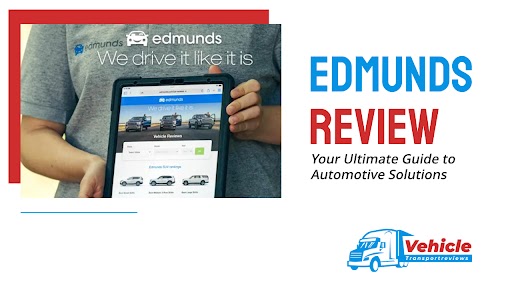
This Edmunds review examines whether Edmunds is reliable for car shopping, how accurate its True Market Value pricing is, and when you should trust Edmunds data versus competitors like Kelley Blue Book.
Understanding how Edmunds makes money, who owns Edmunds, and limitations of its pricing tools helps you use the platform effectively while recognizing situations where dealer incentives might influence recommendations.
What Is Edmunds?
Edmunds is a free automotive research website providing car pricing data, expert reviews, consumer ratings, and dealer connections. Founded in 1966 as a print publication, Edmunds transitioned online in 1995 and now serves 20+ million monthly visitors researching vehicle purchases.
Core features: True Market Value (average transaction prices), True Cost to Own (5-year ownership expenses), expert car reviews from professional journalists, dealer reviews from verified customers, and new/used car listings connecting shoppers with local dealers.
Is Edmunds Legit?
Yes, Edmunds is legitimate with 58 years of operation, proper business licensing, transparent ownership (CarMax subsidiary since 2021), BBB accreditation, and millions of users relying on its data monthly. Edmunds doesn’t sell cars directly—it provides free research tools and connects shoppers with dealers who pay referral fees.
Legitimacy indicators: Edmunds maintains editorial independence despite dealer relationships, employs experienced automotive journalists, publishes methodology explaining data sources, updates pricing weekly based on actual transactions, and discloses its revenue model transparently.
What “legit” doesn’t mean: Being legitimate doesn’t guarantee perfect pricing accuracy (estimates vary by region and model), complete objectivity (dealer referrals create conflicts), or that every recommendation fits your specific situation.
Is Edmunds Reliable for Car Prices and Reviews?
Edmunds is reliable for understanding average market prices and getting professional vehicle reviews, with True Market Value typically within 3-7% of actual dealer transaction prices. However, pricing accuracy varies by region, model popularity, and market conditions.
Pricing reliability: Edmunds TMV uses millions of actual transaction records to calculate average prices. Accuracy is strongest on popular models (Toyota Camry, Honda CR-V) and weakest on low-volume vehicles (exotic cars, rare trims) where fewer data points exist.
Review reliability: Edmunds employs full-time automotive journalists who test vehicles extensively, providing detailed analysis of performance, features, safety, and value with both strengths and weaknesses covered.
How Edmunds Works
Edmunds aggregates vehicle pricing data from millions of transactions, publishes expert reviews, connects car shoppers with local dealers through referral links, and earns revenue when users purchase from referred dealers. All research tools are free to consumers.
Edmunds True Market Value (TMV)
Edmunds True Market Value shows average transaction prices buyers actually paid for specific vehicles, calculated using millions of real purchase records, dealer inventories, manufacturer incentives, and regional conditions updated weekly. TMV provides three price points: typical listing price, typical selling price, and private party value.
TMV accuracy: True Market Value typically falls within 3-7% of actual transaction prices for popular vehicles. Accuracy decreases for rare models, recently launched vehicles, and markets experiencing rapid price changes.
Edmunds True Cost to Own (TCO)
Edmunds True Cost to Own calculates total 5-year ownership expenses including purchase price, depreciation, fuel costs, insurance, maintenance, repairs, and financing charges. TCO helps buyers compare vehicles beyond sticker prices.
TCO components: Depreciation (40-60% of TCO), fuel costs (EPA ratings), insurance (actuarial data), maintenance (scheduled service), repairs (predicted costs), financing (typical loan terms), and state fees (registration, taxes).
Edmunds Car Reviews and Expert Ratings
Edmunds car reviews come from professional automotive journalists who test vehicles extensively, evaluating performance, comfort, technology, safety, and value. Reviews include numerical ratings (1-10 scale), detailed analysis, competitor comparisons, and clear recommendations.
Editorial independence: Edmunds maintains separation between editorial and business teams. Automakers don’t pay for favorable reviews, though manufacturers provide press vehicles like all automotive media outlets.
Edmunds Dealer Reviews
Edmunds dealer reviews allow verified customers to rate dealership experiences. Reviews require verification through vehicle purchases, reducing fake positive reviews. Dealers can respond but cannot remove negative feedback.
Review limitations: Reviews skew toward extremes—very satisfied or dissatisfied customers review more frequently. Dealers with referral partnerships may receive more favorable reviews from Edmunds-referred customers.
Who Owns Edmunds?
CarMax owns Edmunds, having acquired the company in 2021 for approximately $50 million. CarMax is America’s largest used car retailer (publicly traded as KMX), operating 200+ locations nationwide. Before CarMax, Edmunds operated as an independent private company.
Ownership implications: CarMax ownership creates potential conflicts—Edmunds now has incentives to direct shoppers toward CarMax locations. However, Edmunds maintains separate operations and continues featuring all dealerships, not exclusively CarMax stores.
How Edmunds Makes Money
Edmunds makes money primarily through dealer referral fees when users purchase vehicles, earning $300-$800 per completed sale. Additional revenue comes from advertising, lead generation fees, and data licensing to automotive industry clients.
Revenue breakdown: Dealer referrals generate 70-80% of revenue. Display advertising contributes 10-15%. Data licensing accounts for 5-10%.
Why it matters: Edmunds’ revenue model creates incentives to favor dealers—recommending new cars over used (higher referral fees), featuring high-commission dealers, and potentially inflating prices. Use Edmunds alongside other sources like Kelley Blue Book for balanced perspectives.
Is Edmunds Accurate?
Edmunds pricing is accurate within 3-7% for popular vehicles with abundant transaction data. However, accuracy varies significantly by vehicle type, market conditions, and regional factors.
Accuracy strengths: Popular models (Camry, CR-V, F-150) show excellent pricing accuracy. Edmunds updates data weekly incorporating recent sales and current inventories.
Accuracy weaknesses: Low-volume vehicles lack sufficient data. Regional price variations aren’t fully captured in national averages. Rapidly changing markets cause temporary inaccuracies.
Edmunds vs Kelley Blue Book Accuracy
Edmunds and Kelley Blue Book show similar pricing accuracy (both within 3-7% for popular vehicles), with minor differences: KBB updates daily (vs Edmunds weekly), Edmunds provides more detailed option pricing, KBB has stronger used car data, and Edmunds focuses more on new vehicles.
When Edmunds is better: New vehicle pricing with complex incentives, detailed option packages, total cost of ownership calculations.
When KBB is better: Used vehicle trade-in values (KBB Instant Cash Offer provides real bids), certified pre-owned pricing, older vehicles (10+ years).
Limitations of Edmunds Pricing
Edmunds pricing relies on national averages that may not match local markets, potential delays adapting to rapid changes, incomplete regional accounting, inability to predict individual negotiations, and limited data on rare vehicles.
Edmunds Pros and Cons
Pros:
- Free comprehensive research tools
- True Market Value within 3-7% accuracy
- True Cost to Own reveals long-term expenses
- Professional expert reviews
- 58-year track record
- Verified dealer reviews
- User-friendly interface
Cons:
- Dealer referral revenue creates bias
- Pricing accuracy varies by vehicle
- National averages miss local conditions
- Limited used car data vs KBB
- CarMax ownership raises objectivity questions
- Reviews focus on new vehicles
- No direct buying/selling
Edmunds vs Kelley Blue Book
| Feature | Edmunds | Kelley Blue Book |
|---|---|---|
| New Car Pricing | Excellent (TMV) | Excellent (Fair Purchase) |
| Used Car Values | Good | Excellent (industry standard) |
| Trade-In Values | Estimates only | Instant Cash Offer (real bids) |
| Expert Reviews | Detailed professional | Basic reviews |
| Update Frequency | Weekly | Daily |
| Best For | New car research | Trade-ins & used cars |
Who Should Use Edmunds?
Best For
- New car buyers: Researching models, comparing features, understanding fair prices
- Budget planners: Using True Cost to Own for long-term expense comparisons
- First-time buyers: Learning about car buying process and identifying reputable dealers
- Comparison shoppers: Evaluating multiple vehicles side-by-side
- Deal validators: Checking if dealer offers are fair vs market averages
Not Best For
- Selling vehicles: Edmunds focuses on buyers; use KBB or private platforms
- Trade-in values: KBB Instant Cash Offer provides real dealer bids
- Rare vehicles: Limited data reduces accuracy
- Local market specifics: National averages don’t reflect regional variations
- Older used cars: KBB has more comprehensive data on 10+ year vehicles
For additional resources, explore our best used car websites comparison.
Final Verdict: Should You Trust Edmunds?
Yes, trust Edmunds as a reliable research tool for new car pricing, expert reviews, and ownership cost comparisons. Edmunds provides accurate information (within 3-7% for popular vehicles), transparent methodology, and 58 years of credibility. However, recognize its limitations: dealer referral revenue creates potential bias, pricing varies by vehicle and region, and national averages may not match local markets.
Best practices: Use True Market Value for understanding average prices, not guaranteed offers. Read expert reviews but supplement with owner feedback. Compare True Cost to Own across vehicles. Cross-reference with Kelley Blue Book for balance.
When to trust Edmunds most: Researching new vehicles, comparing models, understanding total ownership costs, validating dealer offers, reading professional reviews.
When to verify elsewhere: Trade-in values (use KBB Instant Cash Offer), used cars over 10 years old, rare vehicles, local markets with unusual conditions.
Edmunds remains one of the most trusted automotive research platforms. Use it as your primary new car research tool while recognizing no single source is perfect—combine Edmunds with KBB, consumer reviews, and negotiations for best results.
For vehicle transport when purchasing from distant dealers, see our car shipping cost guide.
Frequently Asked Questions About Edmunds
Is Edmunds legit or a scam?
Edmunds is completely legit—not a scam. It’s a trusted automotive research platform operating since 1966, owned by CarMax, serving 20+ million monthly users. Edmunds provides free tools and earns revenue through dealer referrals, not by selling cars directly.
Is Edmunds reliable for car pricing?
Yes, Edmunds is reliable with True Market Value typically within 3-7% of actual transaction prices for popular vehicles. Accuracy is strongest on high-volume models and weakest on rare vehicles or rapidly changing markets.
Does Edmunds sell cars?
No, Edmunds doesn’t sell cars directly. It’s a research platform connecting shoppers with dealers through referral links. Edmunds earns revenue when users purchase from referred dealers but doesn’t handle transactions or own inventory.
How does Edmunds get its prices?
Edmunds gets prices from millions of actual vehicle transactions from dealer partners, third-party data providers, DMV records, and manufacturer incentives. Algorithms analyze this data weekly to calculate True Market Value averages.
Can Edmunds dealer reviews be trusted?
Edmunds dealer reviews are moderately trustworthy—the platform verifies reviews through purchase records, and dealers can’t remove negative feedback. However, reviews skew toward extremes (very satisfied/dissatisfied). Read full details, not just star ratings.
What is Edmunds True Cost to Own?
Edmunds True Cost to Own calculates total 5-year ownership expenses including purchase price, depreciation, fuel, insurance, maintenance, repairs, and financing. TCO reveals long-term cost differences between vehicles beyond sticker prices.